
I've been noticing something odd in conversations lately. When people talk about AI in India now, they're not just asking "what can it do?" anymore. They're asking "what should we build?" and "who gets to decide?"
That's a different question entirely.
The shift isn't about adoption—it's about agency. Students realizing they can participate in shaping AI, not just consume it. Founders understanding that Indian problems need Indian solutions. Policymakers recognizing that regulation can't just be copy-pasted from Brussels or Silicon Valley.
I'm watching this play out across hackathons, in Discord servers, at meetups. And increasingly, in how universities are thinking about their role in all of this.
Which brings me to something happening in February that I'm keeping an eye on.
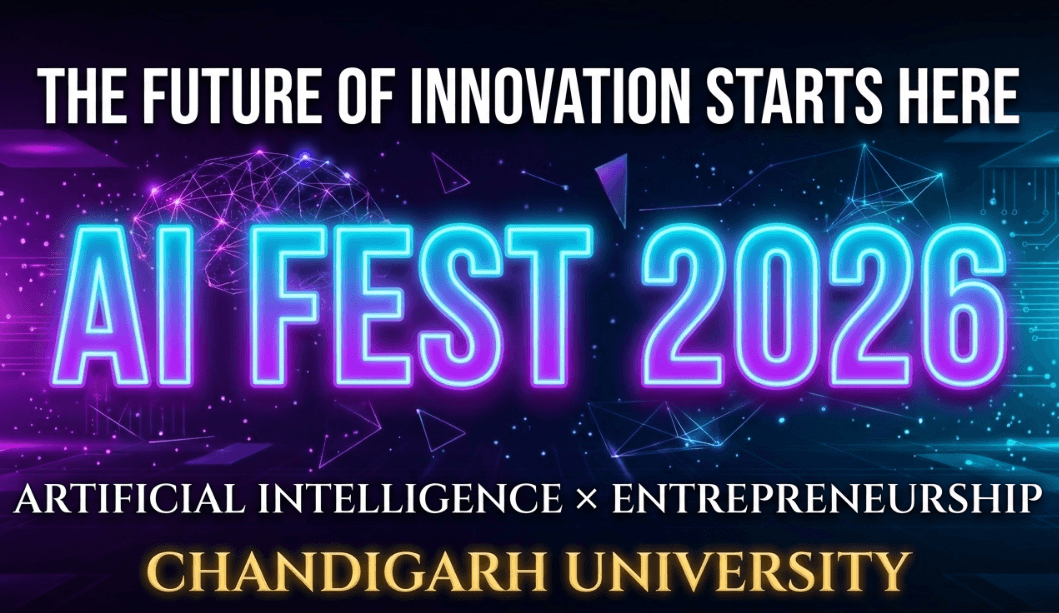
AI Fest 2026 is being held at Chandigarh University from February 19–21. It's structured as a three-day event bringing together students, startups, creators, investors, and policymakers. On paper, that sounds like every other "innovation summit" we've had in India over the past few years.
But the intent seems different.
For one, it's not trying to be a conference. Day one is called InnovFest—competitions across disciplines, panels with researchers and founders. Day two is SANDBOX, which they're positioning as "from idea to concept," with founder-investor interactions, masterclasses, and something called a Medical Cohort and Media Cohort launch. Day three is the Campus Tank grand finale with pitching, exhibitions, program launches.
The structure itself tells you something. It's not designed for passive attendance. It's designed for collision.
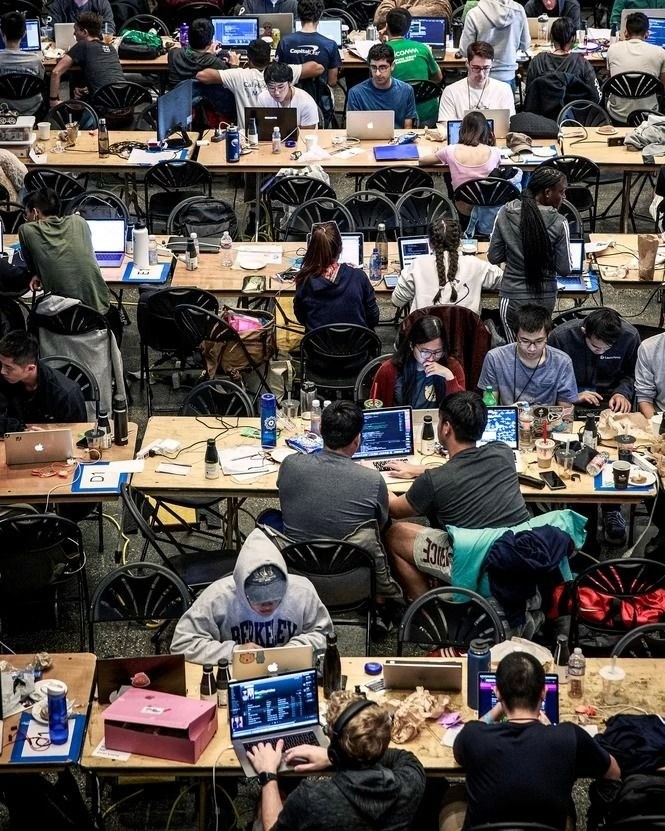
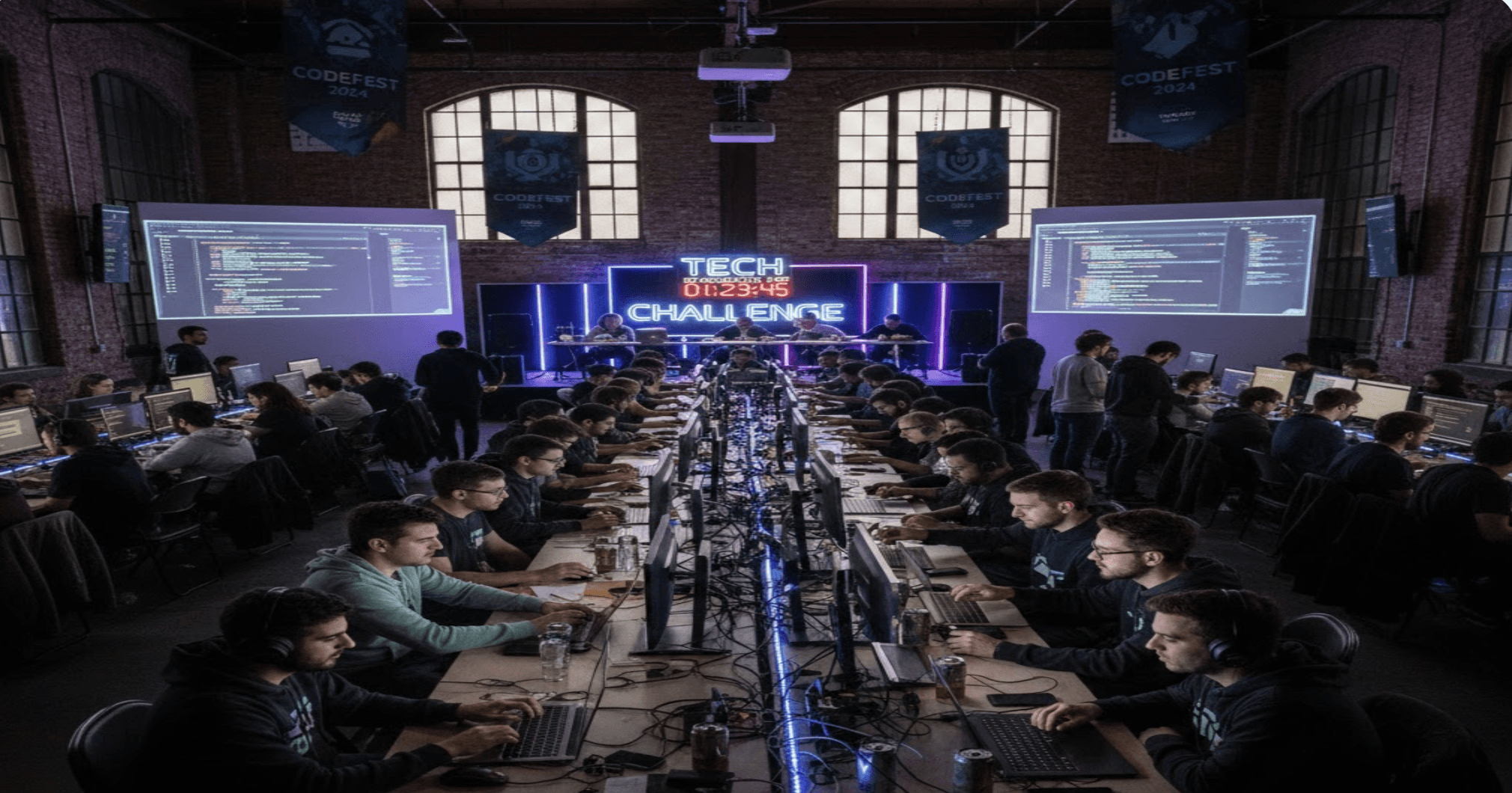
I've been to enough hackathons to know that format matters less than intent. HackWithIndia, Smart India Hackathon, various college fests—they all follow similar blueprints. What's different here is the attempt to collapse timelines. You don't just come to compete or pitch. You come to build in public, find collaborators, get challenged by people outside your bubble.
SANDBOX particularly interests me because it sounds less like a showcase and more like a residency. The idea that you can go from having a conversation on day one to launching something by day three—that's optimistic, maybe even naive. But it's the right kind of naive.
Campus Tank, the $6 million fund they mention, is another signal. Not because of the amount—though that's significant—but because of the model. It's betting on student founders, which most investors won't touch because the risk profile is terrible. Students don't have industry networks, they pivot constantly, they're learning as they go.
But that's also why they build interesting things.
Here's what I think is actually happening: we're starting to realize that India's AI story can't just be about outsourcing or building features for American companies. The more interesting work is happening in the gaps—healthcare access in tier-3 cities, vernacular content creation, agricultural decision systems, financial inclusion.
These aren't problems that get solved at Google I/O or in San Francisco demo days.
They get solved when a medical student from UP, a CS grad from Kerala, and a policy researcher from Delhi end up in the same room and realize they're working on adjacent parts of the same problem. That kind of collision is rare. Most innovation events segregate by discipline or seniority. Students compete with students, startups pitch to investors, academics present to academics.
What strikes me about the AI Fest lineup is the deliberate mixing. Policymakers aren't just giving keynotes—they're on panels. Investors aren't just judging pitches—they're in fireside chats. Content creators aren't just performing—they're at roundtables discussing the creator economy under AI.
This matters because AI is fundamentally interdisciplinary, and we keep pretending it isn't.
You can't build ethical AI without understanding governance. You can't deploy AI in healthcare without talking to doctors. You can't create AI tools for Bharat without understanding the last mile. But we keep sliding these conversations, and then we wonder why adoption is slow or why solutions don't scale.
I'll admit, I'm skeptical of the scale claims. 60,000+ students is ambitious, and I've learned to be wary of attendance numbers at events like this. What I care more about is density of meaningful interaction. Would rather see 6,000 people having 60,000 good conversations than 60,000 people watching panels.
But the themes they've laid out—"Evolving AI with Evolving Humans," "Ethics, Trust & Governance," "AI-Engineered Reality," "Technical Frontiers"—these suggest someone's thinking about narrative, not just logistics.
The first theme is particularly telling. "AI will not replace or overtake humans; it will become a beacon of human evolution." That's... aspirational. Maybe too aspirational. But it's also the kind of thesis that forces you to think differently about tooling, about interfaces, about what we're actually building toward.
I don't know if three days in February will prove that thesis. But I like that someone's stating it clearly.
There's this thing that happens at every major hackathon in India. Around 2 AM on the final night, when the coffee's run out and most teams are debugging in despair, you start seeing the weird collaborations. The MBA student who's suddenly helping with a go-to-market strategy. The design student who's fixing a UX flow. The hardware engineer who's jury-rigging a demo because the API won't work.
That's when the interesting things happen. Not on stage, not in the pitch decks—in the margins, when people are too exhausted to maintain professional boundaries.
I wonder if AI Fest will create enough space for that. The SANDBOX format might. The fact that they're launching cohorts during the event—Health in Pixels, ZERO TO ONE—suggests they're thinking about what happens after. Most events end when the winner is announced. This one seems to be treating itself as a beginning, not a conclusion.
What I'll be watching for in February isn't the keynotes or the prize money or the headcount. It's whether the conversations change.
If a medical student from a tier-2 college leaves thinking they can build AI tools for diagnostics, not just use them—that's a shift.
If a policymaker leaves with three WhatsApp groups of founders who are actually building in regulated spaces—that's signal.
If an investor who usually writes checks only in Bangalore or Gurgaon leaves having met someone from Chandigarh or Lucknow who's solving a problem they didn't know existed—that's progress.
The event itself will happen, and it'll be chaotic, and some things won't work. That's fine. What matters is whether it moves the center of gravity, even slightly. Whether it makes a few more people believe that they don't have to wait for permission to build in AI. That India's AI ecosystem isn't just Bangalore and Hyderabad. That students aren't just consumers of innovation—they're participants in it.
I think that's the actual inflection point. Not the event, but what becomes thinkable because the event happened.